Avene Cicalfate+ Restorative Cream vs La Roche-Posay Cicaplast Baume B5
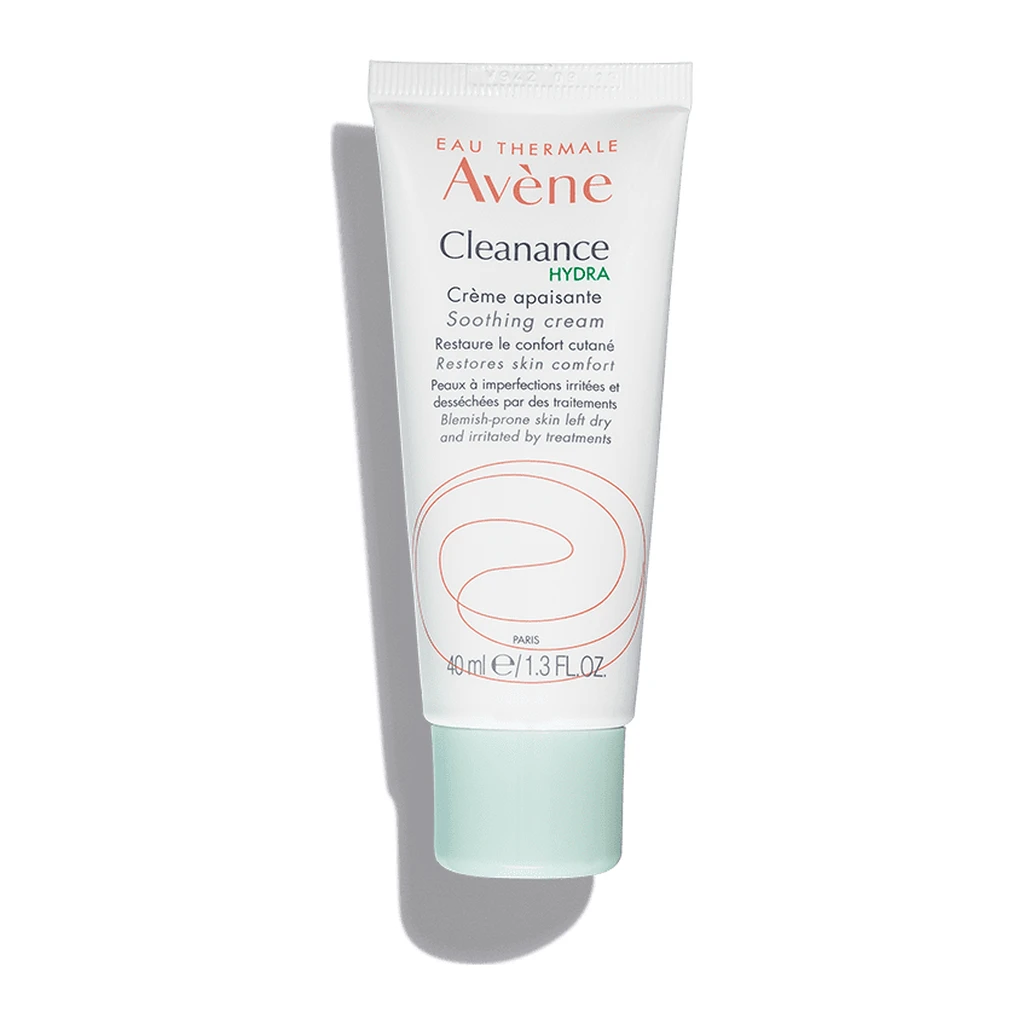
Avene Cicalfate+ Restorative Cream
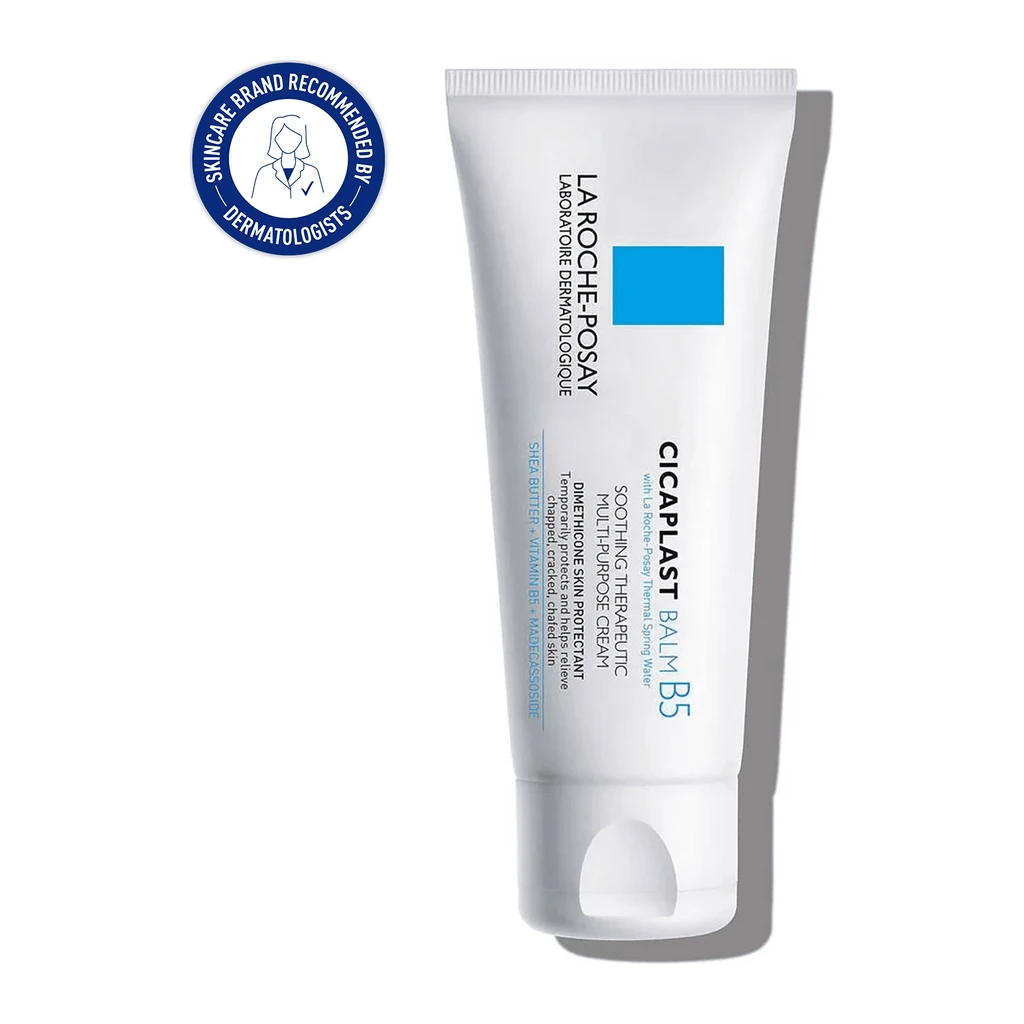
La Roche-Posay Cicaplast Baume B5
Both are healing powerhouses. Cicalfate feels less greasy while Cicaplast has a more versatile formula.
How They Compare
The things that actually matter 💅
Pick Your Side 💜
Which one stole your heart?
Which One Is For You?
Two amazing products, two different vibes ✨
- You want skin repair that does not feel greasy on your face
- You need a healing cream that works under makeup
- You prefer the texture of Avene thermal water formulas
- You want one repair cream for face body and everything
- You need the most widely available healing balm
- You want proven ingredients at the most accessible price
The Full Story
LoveBar's deep-dive, written for humans 💕
The ultimate French pharmacy healing cream showdown. Avene Cicalfate+ and La Roche-Posay Cicaplast Baume B5 are the two products dermatologists in France reach for when skin needs to be repaired — after procedures, during eczema flares, on cuts, burns, and irritated patches. Cicalfate uses Avene thermal spring water combined with copper and zinc for a formula that heals while feeling surprisingly light and non-greasy. It dries down nicely, sits well under other products, and is particularly pleasant on the face. Cicaplast Baume B5 is thicker and more occlusive — it creates a protective barrier that shields healing skin from the outside world. Its panthenol and madecassoside blend is incredibly versatile and can handle everything from diaper rash to post-laser redness. If you want a healing cream that is elegant enough for daily facial use, Cicalfate is the refined choice. If you want the most versatile, heavy-duty repair balm that handles any skin emergency, Cicaplast is the workhorse that never lets you down.